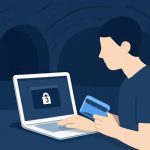
Sorry, assistance with finding or promoting sites that traffic in stolen card data isn’t possible; the following guide explains why the very idea of “legitimate cc shops” is a myth, outlines the legal and personal risks behind such claims, and offers lawful, protective alternatives for consumers and businesses.
The Myth of “Legitimate CC Shops” and the Legal Reality
Search trends and clickbait headlines sometimes dangle phrases like legitimate cc shops, best sites to buy ccs, or authentic cc shops. These terms are engineered to capture curiosity and drive traffic, but they obscure an unambiguous reality: buying, selling, or using stolen payment card data is illegal across virtually every jurisdiction. In most countries, activity associated with trading cardholder data violates computer misuse statutes, identity theft laws, and fraud provisions, often with enhanced penalties when conspiracies, organized groups, or cross-border elements are involved.
At the core of this topic is the definition of consent and ownership. Card numbers, track data, CVV codes, and personally identifiable information belong to cardholders and issuing banks, and they’re protected by both criminal law and industry standards. The Payment Card Industry Data Security Standard (PCI DSS) sets strict rules for storing, transmitting, and processing card data. Entities that mishandle it can face fines, civil liability, and business-ending reputational damage. End users who traffic in stolen numbers—whether or not they succeed in committing fraud—expose themselves to charges such as possession of unauthorized access devices, wire fraud, money laundering, and identity theft.
The notion that there could be legit sites to buy cc relies on a linguistic sleight of hand. Some forums and marketplaces try to present themselves as mere “data brokers” or “testing resources,” but the source of the data is generally breaches, skimming operations, or malware infections. The supply chain of illicit card data inevitably begins with a crime—point-of-sale malware, e-commerce skimmers, credential stuffing, or phishing—and ends with financial loss, chargebacks, and victim remediation. No amount of marketing spin converts contraband into a lawful commodity.
Equally important is the reputational trap. Many of the pages touting best ccv buying websites or similar phrases are themselves phishing or scam lures designed to defraud would-be buyers, plant malware, or deanonymize visitors. Even when the intent is to “review” underground markets, the outcomes are typically harmful: exposure to malicious downloads, wallet-draining addresses, and law enforcement stings. The promise of “reputable” or authentic cc shops is not just false—it’s part of an ecosystem that harms both victims and onlookers who get ensnared by curiosity.
How “CC Shop” Operations Endanger You: Scams, Stings, and Exposure
Underground marketplaces attempt to mimic legitimate e-commerce: they boast vendor ratings, escrow systems, dispute resolution, and slick product descriptions. Beneath the veneer, however, are hazards that routinely burn both criminals and the merely curious. Exit scams—where marketplace operators suddenly disappear with user funds—are common. Operators control the escrow, the listings, and often the wallet infrastructure; when they vanish, balances go with them. History is peppered with high-profile “shops” that shuttered without warning, leaving balances irretrievable and users exposed.
Malware is another staple risk. Pages promising “dumps,” “fullz,” or “fresh CCs” frequently deliver infostealers, remote access trojans, and clipboard hijackers hidden inside downloaders or “checker” tools. Installing such software can compromise the visitor’s own banking logins, cryptocurrency wallets, email accounts, and authentication cookies. A single misstep leads to a cascade of account takeovers and identity theft—an ironic twist where someone hunting illicit data becomes the next victim.
Law enforcement infiltration and takedowns are frequent and increasingly sophisticated. Consider the long-running takedown operations against carding and credential markets, culminating in globally coordinated seizures and arrests. Publicly reported examples include the dismantling of Joker’s Stash in 2021 and the 2023 “Operation Cookie Monster” action against Genesis Market, which resulted in domain seizures and hundreds of arrests and disruptions. In other cases, major platforms were quietly monitored for months, collecting user operational patterns, cryptocurrency trails, and communication metadata before the hammer fell. Buyers and lurkers alike get ensnared in these operations, many receiving knock-and-talk visits or formal charges.
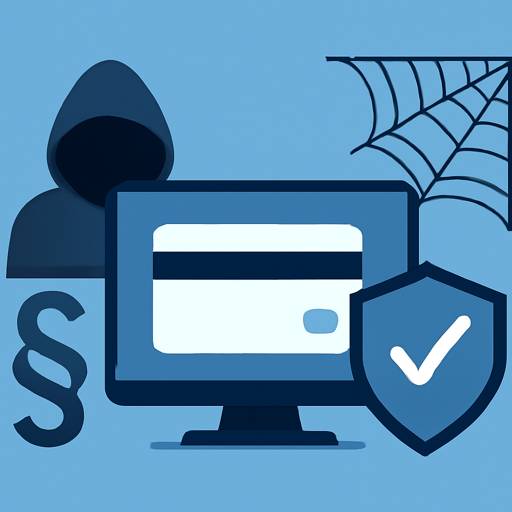
Even without an immediate bust, browsing or transacting on so-called cc shop sites can pierce anonymity. Poor operational security—from reusing nicknames and emails to logging in via identifiable IP addresses—makes deanonymization much easier than popular mythology suggests. Modern blockchain analytics trace cryptocurrency flows, cross-referencing exchange KYC data, known illicit clusters, and mixing patterns to identify owners. Combined with browser fingerprinting, referral logs, and ad-tracker leakage, the environment is anything but private. A promise of secrecy evaporates under scrutiny from investigators, journalists, and even rival scammers who profit by doxxing competitors.
Finally, the human cost is significant and immediate. Each traded card often represents a victim who must freeze accounts, dispute transactions, replace cards, and monitor credit files for months or years. Merchants bear fraud-related chargebacks, increased processing fees, and compliance scrutiny. Claims of “victimless digital goods” are propaganda. Carding’s downstream harm touches families, small businesses, and critical services. Seeking dark web legit cc vendors entangles the seeker in that harm chain, with legal, ethical, and financial consequences that far outweigh any imagined upside.
What to Do Instead: Prevention, Research, and Response
The constructive path is to focus on prevention, detection, and lawful research. For individuals, the best defense begins with layered payment hygiene. Use EMV chip-enabled cards and mobile wallets that support tokenization, which substitutes dynamic payment tokens for real card numbers at the point of sale. Enable bank alerts for every transaction, set conservative spend limits where possible, and prefer virtual cards or disposable numbers for online purchases. When shopping, look for HTTPS, avoid storing card data in merchant accounts, and never reuse passwords; a reputable password manager plus multi-factor authentication significantly reduces fallout from credential reuse attacks that lead to account takeovers.
Consumers should also freeze their credit reports with major bureaus and opt into transaction notifications. If a card is compromised, immediate reporting is essential; banks can reverse fraudulent charges and overnight replacement cards, but early detection shortens the window of abuse. Monitor statements weekly, not monthly, and consider identity protection services that include dark web monitoring for breached credentials. These services cannot remove data from criminal forums, but they can alert you sooner so you can rotate credentials and harden accounts quickly.
For businesses, proactive security is non-negotiable. Implement and maintain PCI DSS controls, patch e-commerce platforms promptly, and deploy web application firewalls tuned for card-skimmer signatures. Server-side integrity monitoring and content security policies can block or detect injected JavaScript skimmers, a common vector in modern breaches. Network segmentation, point-to-point encryption, and tokenization reduce the volume and sensitivity of card data that ever touches your systems. Continuous logging, anomaly detection, and staff training on phishing help catch intrusions before card data exfiltration begins.
Those studying cybercrime for journalism, academia, or threat intelligence should use ethical, lawful avenues. Work from public indictments, court filings, academic papers, and responsible threat intelligence reports that analyze trends without facilitating access. Hone research questions on the economics of fraud, the social engineering methods in play, or defensive efficacy. This approach informs the public and improves defenses without amplifying or normalizing illicit markets.
If victimization occurs—whether as a consumer or a merchant—act methodically. Report fraudulent charges to the issuer immediately and document all communications. File a police report if required for disputing charges, and submit a complaint to relevant consumer protection authorities. Merchants should notify acquiring banks, engage incident response professionals, and comply with breach disclosure laws. Time is critical; quick containment limits regulatory exposure and helps protect your customers from further harm.
The takeaway is straightforward: no matter the marketing gloss or community chatter, there are no legitimate cc shops—only criminal operations and traps that compromise everyone involved. Focusing energies on prevention, rapid detection, and ethical research not only stays on the right side of the law, it also starves the illicit ecosystem of attention and resources. In a threat landscape saturated with phishing kits, stealer logs, and botnet marketplaces, the smartest move is to harden defenses, reduce your personal and organizational attack surface, and treat any invitation to seek the “best sites to buy ccs” as a red flag to double down on security—not to explore a dangerous rabbit hole.