Understanding the Legal and Cultural Landscape
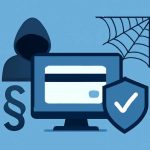
The first and most important consideration for anyone researching online casinos in Kuwait is the local legal framework and cultural context. Kuwait is a country where gambling is broadly prohibited under both civil law and prevailing social norms. This means that most forms of commercial gambling operate outside the law, and there are no state-sanctioned, publicly regulated casino operators within the country. Residents and visitors should be aware that participation in gambling activities, including online wagering, may carry legal, financial, and reputational risks.
Beyond formal legality, cultural factors strongly influence public policy and enforcement. Religious and societal attitudes toward gambling in Kuwait tend to be conservative, and these attitudes inform enforcement priorities and the practical availability of gambling-related services. Banks and payment processors often flag or block transactions that appear related to online gambling. That can create complications even when a player attempts to use an international, licensed site that accepts players from multiple countries.
It is equally important to understand enforcement is not uniform: some individuals report minimal consequences, while others have faced serious repercussions. For anyone uncertain about the legal status of a specific activity, seeking local legal advice or consulting official government guidance is prudent. Emphasizing personal responsibility, users should avoid actions that knowingly contravene local law and should prioritize safety over short-term convenience.
How to Evaluate and Choose Safer, Reputable Platforms
If someone in or connected to Kuwait wishes to learn about the industry, the best approach is to focus on compliance, transparency, and consumer protection—criteria that apply broadly to reputable operators. Start by checking licensing and regulation: trustworthy platforms will display clear licensing information issued by recognized authorities such as the Malta Gaming Authority (MGA), the UK Gambling Commission (UKGC), or other international regulators. Licenses alone do not guarantee safety, but they indicate an operator is subject to oversight, audits, and dispute-resolution processes.
Next, examine fairness and technical standards. Reputable casinos publish third-party test results from auditors like eCOGRA or iTech Labs and disclose game RTPs (Return to Player percentages). Look for transparency about software providers, RNG (random number generator) certification, and clear terms and conditions. Customer support responsiveness and local-language options (Arabic and English) are also useful markers of professionalism.
Payment methods are another critical factor. Safe sites provide multiple, secure deposit and withdrawal options, including established e-wallets, bank transfers, and often cryptocurrency alternatives. However, given local restrictions in Kuwait, many international operators either restrict Kuwaiti residents or require additional verification checks. Before creating an account, read the terms related to permitted jurisdictions, identity verification, and payment processing to avoid surprises or frozen funds. Finally, prioritize platforms that promote responsible gaming with limits, self-exclusion tools, and accessible support for problem gambling.
Practical Alternatives, Payment Considerations, and Local Recommendations
Because traditional online gambling faces legal and practical barriers in Kuwait, many people explore alternatives that offer entertainment without the same level of legal risk. Social casinos (free-to-play apps), sweepstakes-style gaming, fantasy sports platforms with a skill-based component, and licensed international lottery products can provide gaming enjoyment while being less legally fraught. These alternatives typically operate under different regulatory frameworks and often emphasize entertainment rather than wagering.
From a payments and practical-access perspective, residents should take a cautious approach. Banks in Kuwait commonly monitor and block transactions that appear to be gambling-related; prepaid cards or global e-wallets sometimes work for entertainment purchases but can still be subject to restrictions. Cryptocurrency is discussed often in industry circles because it can provide an additional payment route; however, crypto use also carries volatility, regulatory ambiguity, and potential compliance concerns. Always confirm an operator’s accepted payment methods and withdrawal policies before committing funds, and never provide more personal documentation than required for legitimate identity verification.
For those researching options, use reputable review sites and community forums to compare platforms, but treat anecdotal reports with caution. If you are simply gathering information or comparing features, an informational search for resources on online casinos in kuwait can help surface lists and reviews—just cross-check any recommendations against licensing details and user feedback. Above all, prioritize legal compliance, financial safety, and mental health: use responsible-play settings, set strict budgets, and seek professional help if gambling begins to affect daily life.